When Is the Best Time to Install Solar Panels in New England?

If you’re a Massachusetts or Connecticut homeowner considering solar panels, you’re likely wondering when to pull the trigger on this significant investment. The short answer might surprise you: while timing matters for logistics and immediate returns, the most important factor is starting the process as soon as you’re financially ready.
Let’s dive into the seasonal considerations, local factors, and practical insights that will help you make the smartest decision for your New England home and budget.
Quick Answer: The Best Time to Install Solar Panels
In Massachusetts and Connecticut, the best season to install solar panels is typically spring or fall, but the best time overall is as soon as you’re ready financially because every month you wait, you lose savings against rising Eversource, National Grid, and UI rates.
Insight Energy Systems installs year-round across MA and CT, adjusting to New England weather patterns, local permitting timelines, and utility interconnection queues. Our experience shows that spring (March–May) and fall (September–early November) offer the ideal mix of mild weather conditions, better installer availability, and optimal preparation for peak summer energy production.
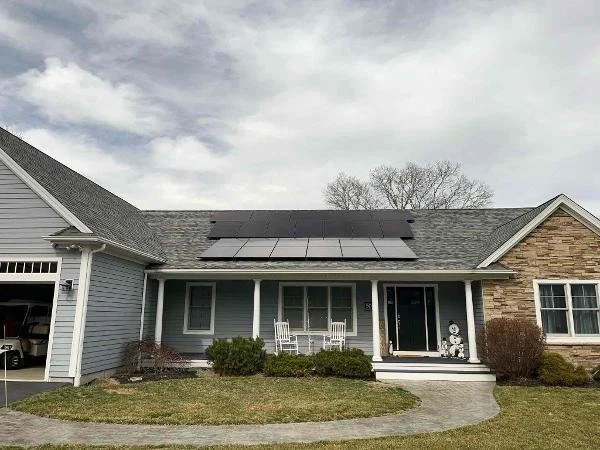
However, what matters most isn’t picking the perfect month—it’s getting them sooner rather than later. The combination of net metering and Renewable Energy Certificates (RECs) makes “this year” more important than waiting for a specific season. These programs reward you for the clean energy your system produces and help offset electricity costs every month. With utility rates continuing to rise across Massachusetts and Connecticut, getting solar installed now means locking in savings sooner rather than later.
Every month without solar panels means paying full retail rates for electricity that your solar system could be producing. The best time to install solar is when you’re ready to start saving money.
Why Timing Your Solar Installation Matters in Massachusetts & Connecticut
In New England, installation timing affects three critical factors: how quickly you get interconnected to the grid, how much of the upcoming high-usage season you can offset with renewable energy, and whether you capture any local solar incentives before they change or expire.
Massachusetts and Connecticut utility rates have experienced significant multi-year increases, with summer tier rates exceeding $0.36 per kWh during peak demand periods. Typical permitting durations range from 2-8 weeks depending on your municipality, while utility interconnection queues can stretch longer during peak installation seasons. Each month of delay means missing potential energy production that could offset these rising costs.
When you install solar panels earlier in the calendar year, you harvest more kilowatt-hours before the next inevitable rate increase. For example, a system installed in April will produce substantial energy through the high-usage summer months, immediately reducing those painful air conditioning bills that spike Eversource and National Grid customers’ monthly utility bills.
Season-by-Season Breakdown: When to Install Solar Panels in New England
Every season in Massachusetts and Connecticut presents distinct advantages and challenges for solar panel installation. New England’s climate patterns—from snowy winters to humid summers—create a unique decision matrix that differs significantly from advice you’ll find for sunnier regions.
Regional factors like roof pitch, shading from mature oak and maple trees, and location differences (coastal Cape Cod versus central Massachusetts versus the Hartford area) all influence installation logistics. However, these local considerations don’t fundamentally change the basic seasonal trade-offs that affect project timing and costs.
The following breakdown gives Massachusetts and Connecticut homeowners a realistic picture of what to expect when going solar in each season, helping you plan around both weather realities and financial considerations.
Spring: The Sweet Spot for Most New England Homes
March through May represents the optimal balance of favorable weather, reasonable installer availability, and strategic timing for most Massachusetts and Connecticut homeowners considering solar installation.
Spring conditions create ideal working environments: snow has typically cleared from roofs by late March, temperatures hover in the comfortable 40s–60s°F range, and the absence of summer heat waves makes rooftop work safer and more efficient. Installation crews can work longer days without the safety concerns that come with July’s 90-degree temperatures and high humidity.
Installing solar panels in spring positions your system to be producing energy before June–August air conditioning loads peak, maximizing your first-year cost savings on Eversource, National Grid, and UI bills. This timing captures the sweet spot where your solar energy production ramps up just as your energy usage patterns shift toward summer highs.
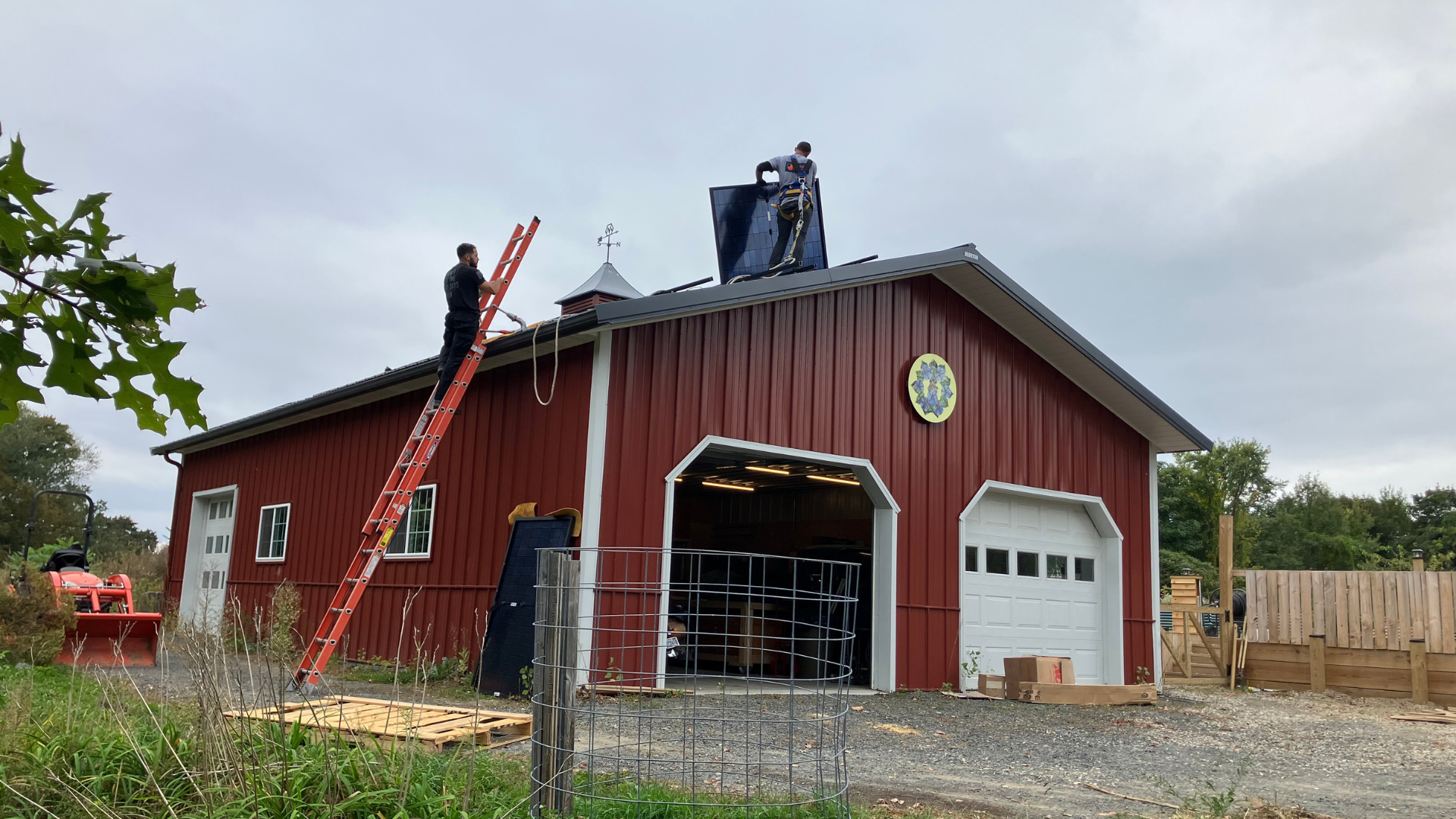
Permitting offices in towns throughout Massachusetts and Connecticut—from Worcester and Springfield to Stamford and New Haven—typically process applications faster in spring than during the late-summer rush. This can shorten your total project timeline by several weeks compared to peak season applications.
For homeowners targeting spring installation, we recommend starting the process in late winter (January–February). Site visits, system design, and permit approvals typically require a few weeks, so early planning ensures your solar system is ready for those first high-production months of late spring and early summer.
Summer: Maximum Sun, Maximum Demand
June through August delivers the strongest sunlight and longest daylight hours in New England, with peak solar energy production occurring around the late June solstice when systems generate maximum power output.
Solar panels installed in early summer immediately tackle high cooling bills, especially valuable for Massachusetts and Connecticut homes with central air conditioning or ductless mini-split systems running constantly during July heat waves. The immediate offset of peak-season electric bills can dramatically reduce monthly utility costs right from system activation.
However, summer installation faces significant challenges. Peak demand for solar installers means schedules often book out for weeks in advance, and the combination of high temperatures and safety protocols can limit working hours during the hottest days. July and August installations may require more flexible scheduling around heat advisories.
Electrical utilities throughout Massachusetts and Connecticut sometimes experience interconnection bottlenecks during peak installation season, potentially adding extra time before your solar system receives permission to operate. The high volume of summer solar installations can strain local utility resources and slow the final approval process.
If you want your solar system active by mid-summer, signing a contract in late spring secures your spot in Insight Energy Systems’ installation schedule and avoids the peak-season backlogs that can push installations into fall. Early commitment pays off with faster project completion and immediate summer savings.
Fall: Great Weather and End-of-Year Planning
September through early November offers crisp, dry weather conditions ideal for roof work across Massachusetts and Connecticut, with fewer thunderstorms and heat waves compared to the challenging summer months.
Installer demand typically eases after the August rush, making fall scheduling more flexible and often quicker for homeowners in the area. Crews can work efficiently in comfortable temperatures without the extreme weather concerns of winter or summer.
While daylight hours are shorter in October and November compared to June, solar energy production remains strong throughout fall months. Fall installations position your solar system for full output during the following spring and summer, ensuring maximum energy production when utility rates typically peak.
Insight Energy Systems coordinates fall installations with inspection schedules and utility interconnection processes to ensure customers clearly qualify for any available solar programs or incentives.
Winter: Off-Season Advantages in Snowy New England
Massachusetts and Connecticut winters bring snow, ice, and sub-freezing temperatures from December through February, creating unique challenges but also surprising advantages for solar panel installation.
Winter offers distinct benefits: reduced installer demand creates more flexible scheduling, potential off-season pricing incentives, and faster attention from municipal permitting offices that aren’t overwhelmed with peak-season applications. Some towns report 20-30 day permit turnarounds in winter compared to 60+ days during summer backlogs.
Solar panels actually operate efficiently in cold, clear conditions. While daylight hours are shorter and cloud cover more frequent, photovoltaic systems produce meaningful energy throughout winter months. Cold temperatures can actually improve panel efficiency compared to hot summer conditions.
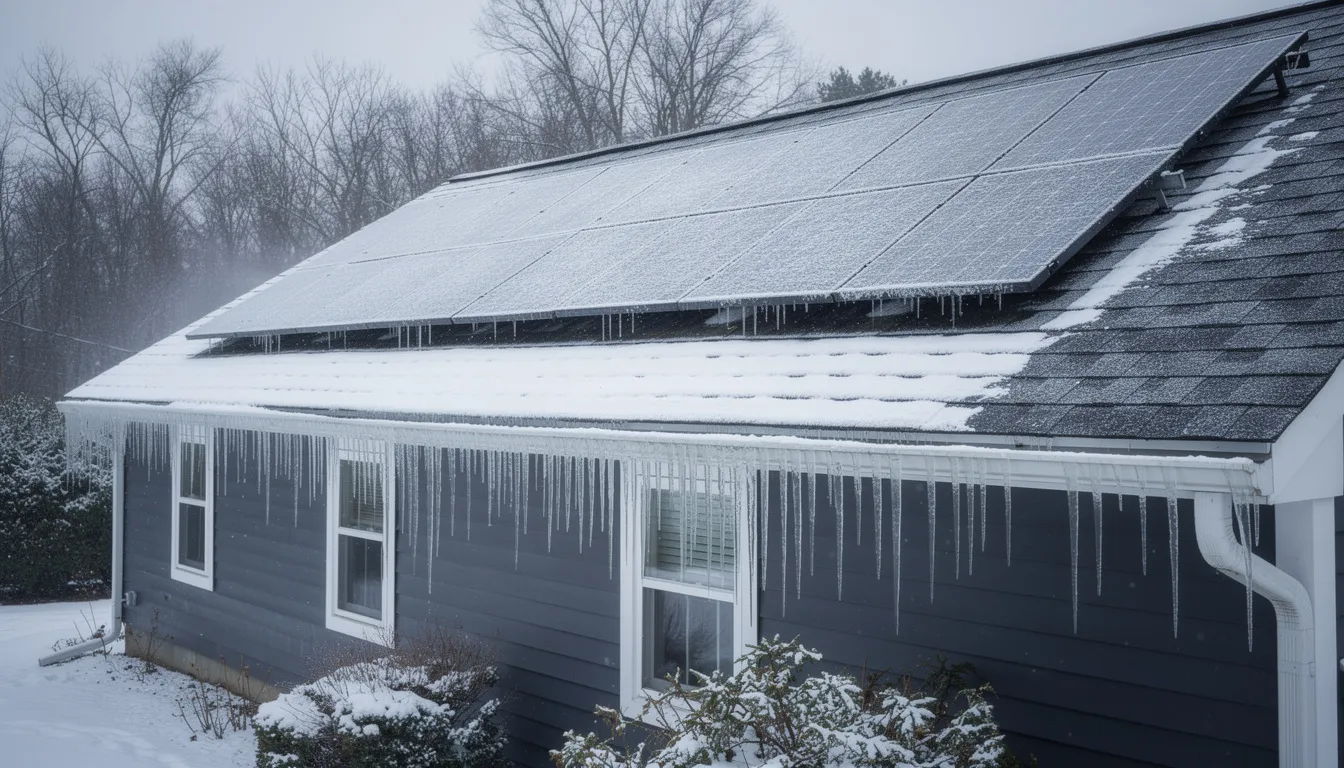
Insight Energy Systems handles winter installations with careful attention to safety and weather conditions. Our crews monitor forecasts and roof conditions, sometimes waiting for safe access after major storms. We focus installation work on clear days with secure footing and minimal ice hazards.
Winter installation timing is ideal for strategic planners: starting your solar project in December–February typically ensures completion and interconnection well ahead of the high-production months from April through August. This approach maximizes the time your system has to offset expensive summer air conditioning costs.
Best Time of Year for Solar Energy Production in New England
In Massachusetts and Connecticut, annual solar energy production peaks between late spring and mid-summer, roughly from April through August, with June typically delivering the highest monthly output due to long days and optimal sun angles.
The seasonal energy production curve shows predictable patterns: strong generation from late spring through summer, moderate output during fall months, and lowest production from December through January when daylight hours are shortest. Understanding this pattern helps homeowners set realistic expectations about monthly energy bills and net metering credits.
Solar system design takes into account this seasonal variation. Insight Energy Systems sizes systems based on actual energy usage patterns from your utility bills, optimizing for annual kilowatt-hour production rather than just peak summer output. Proper system sizing ensures you generate enough renewable energy across all seasons to meaningfully reduce your yearly electricity costs.
Net metering regulations in Massachusetts and Connecticut allow homeowners to “bank” excess summer production as credits that offset winter energy usage. This makes your solar system’s total annual performance more important than any single month’s generation, smoothing out the natural seasonal fluctuations in solar energy production.
The key insight: while your solar panels will produce more power in June than December, the cumulative annual savings depend on capturing as much of the high-production period as possible. Installing earlier in the year maximizes your total energy harvest during the strongest production months.
The Role of Solar + Storage: Smoothing Out New England Seasons
Adding battery storage to your solar installation in Massachusetts or Connecticut helps capture excess summer and shoulder-season energy production for use during evening hours or power outages that are common during winter storms.
Battery systems provide multiple benefits for New England homeowners: backup power during nor’easter-related outages and reduced grid dependence during expensive peak-time periods.
Permitting and utility approvals for solar-plus-storage systems typically add some time compared to solar-only installations, so homeowners should plan accordingly if they want their complete system operational before hurricane season or winter storm periods. The additional complexity requires more coordination but delivers significantly enhanced energy security.
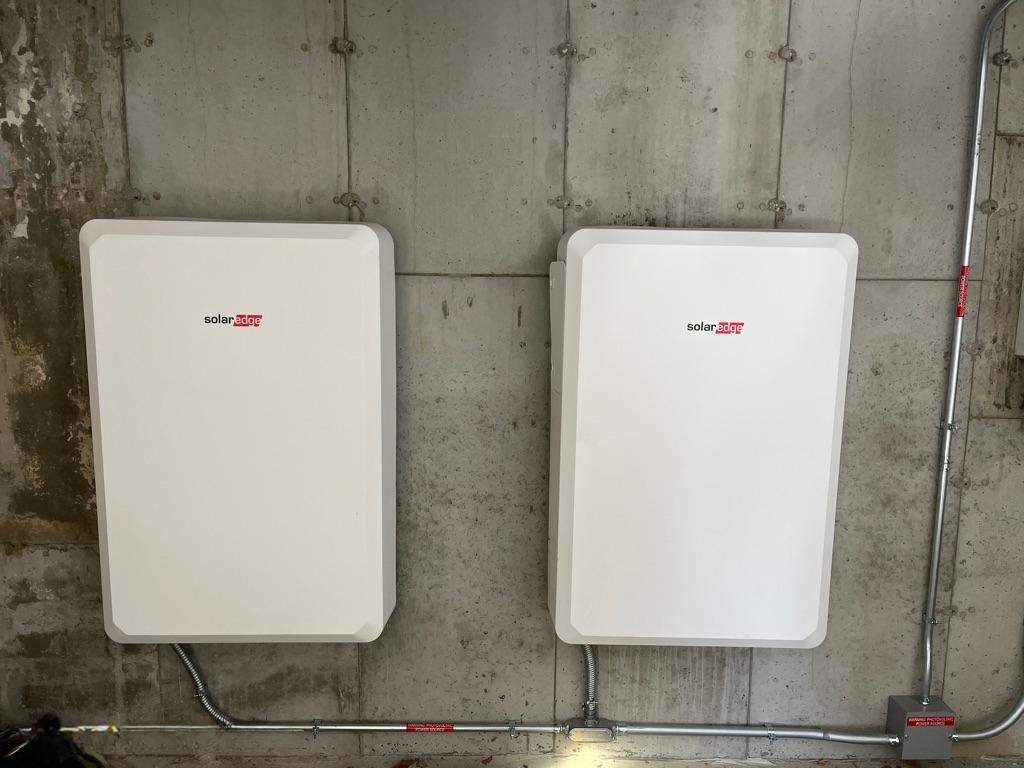
Battery storage essentially extends your solar system’s ability to offset expensive utility rates beyond daylight hours, making the timing of your installation even more valuable since stored energy can reduce your costs during peak evening and morning rate periods year-round.
Cost of Waiting vs. Installing Solar Panels Now
For Massachusetts and Connecticut homeowners, delaying solar installation typically costs more than any potential savings from waiting, because utility rates continue rising, incentive programs can step down, and each month without solar means paying full retail rates for electricity your system could be producing.
Consider a typical New England home with monthly electric bills ranging from $200–$300. Delaying solar installation for one year means losing $2,400–$3,600 in potential savings, and that’s before factoring in the 6-8% annual utility rate escalation that’s been typical across the region. These numbers become even more significant when you consider the 25-year lifespan of most solar installations.
Solar equipment prices have largely stabilized in recent years, and the marginal efficiency improvements in new panel technology rarely outweigh the lost savings from postponing an already cost-effective system. The “wait for better technology” strategy generally doesn’t pencil out financially for homeowners who are ready to invest now.
Some Massachusetts and Connecticut homeowners coordinate solar installation with planned roof replacement projects. If your roof has less than 10 years of expected life remaining, addressing roofing first makes sense. However, if your roof is in good condition, waiting solely for incremental technology improvements typically reduces your total lifetime savings.
The financial reality is clear: rising energy rates and available incentives make immediate action more valuable than perfect timing. Every month you wait for the “ideal” conditions, you’re paying premium rates for electricity that your solar system could be generating at a fraction of the cost.
How Long Does a Solar Installation Take in Massachusetts & Connecticut?
Typical solar projects in Massachusetts and Connecticut require 4–10 weeks from signed agreement to system activation, depending on municipal permitting efficiency and utility responsiveness in your specific area.
The process breaks down into several stages: initial site visit and system design usually take 1–2 weeks, while permitting with local building and electrical departments averages 2–5 weeks depending on your town’s workload and requirements. The actual rooftop installation typically requires just 1–3 days for most residential systems, but final inspections and utility meter swapping can add another 1–3 weeks before your system is producing energy.
Seasonal factors can affect different project stages in predictable ways. Winter storms occasionally delay installation days, while the late-summer rush can slow utility approval processes. However, experienced installers like Insight Energy Systems build weather contingencies into project schedules and maintain relationships with local officials to minimize delays.
Our team proactively manages communication with municipal inspectors and utilities including Eversource, National Grid, and United Illuminating to keep projects moving regardless of season. We’ve learned that early coordination and proper documentation prevent most bottlenecks that can extend project timelines unnecessarily.
For planning purposes, starting your solar conversation one season ahead of when you want to be producing energy gives you comfortable buffer time. If you want to be generating solar power by summer, beginning the process in early spring ensures you’ll be ready for peak production season.
Choosing the Best Time for Your Home: Key Questions to Ask
Installation timing is ultimately personal, and the optimal season for one Massachusetts or Connecticut homeowner may differ significantly from another based on individual goals, constraints, and circumstances.
Key decision factors include your roof’s current condition and age, any history of leaks or structural concerns, your current electric bills and any planned changes like electric vehicle purchases or heat pump installations, whether you’re paying cash or financing, and your interest in backup power capabilities.
Consider upcoming life events that might affect your decision: planned moves, home renovations, or additions like finished basements or in-law suites that will increase your energy usage patterns. Installing solar before these changes ensures your system is sized appropriately for your actual long-term energy needs.

Think about your risk tolerance for winter outages versus summer heat waves, your preference for immediate bill reduction versus tax planning strategies, and whether you want to coordinate solar installation with other home improvement projects. These personal factors often matter more than generic seasonal advice.
Insight Energy Systems offers comprehensive site evaluations and utility bill analyses that help suggest optimal timing for your specific situation. We might recommend “starting now to be ready by July” or “planning for fall installation to capture the incentives from a specific solar program” based on your unique circumstances and goals.
Insight Energy Systems: Your Local New England Solar Partner
Insight Energy Systems serves as a locally focused solar company dedicated to Massachusetts and Connecticut homeowners, with deep familiarity with town-by-town permitting processes and the unique challenges of New England weather patterns and housing stock.
We provide comprehensive support throughout the solar installation process: detailed roof and shading assessments tailored to the mature trees and older homes common throughout New England, expert guidance on state solar programs and incentives, utility net metering coordination, and integration options for battery storage and electric vehicle charging systems.
Our team installs solar panels year-round, helping customers choose the best season based on their specific roof conditions, budget constraints, and target timeline for energy savings. Rather than offering generic national advice, we provide recommendations based on local utility territories, municipal requirements, and regional weather realities that affect project success.
Ready to start your solar journey? Contact Insight Energy Systems today to get a worry-free quote. Whatever the current season, we’ll help you get on track for your next stretch of New England sunshine and the energy savings that come with it.